Reflections from SHARE Malta 2026
Attending the SHARE Malta 2026 Architecture Forum on 22 May left us with plenty to think about. Beyond the impressive projects and international speakers, what struck us most was a recurring theme that seemed to weave its way through the entire day: the relationship between tradition and innovation. Again and again, speakers demonstrated that the future of architecture isn't about choosing between heritage and technology, craft and efficiency, or human creativity and artificial intelligence. It's about finding ways for them to work together.
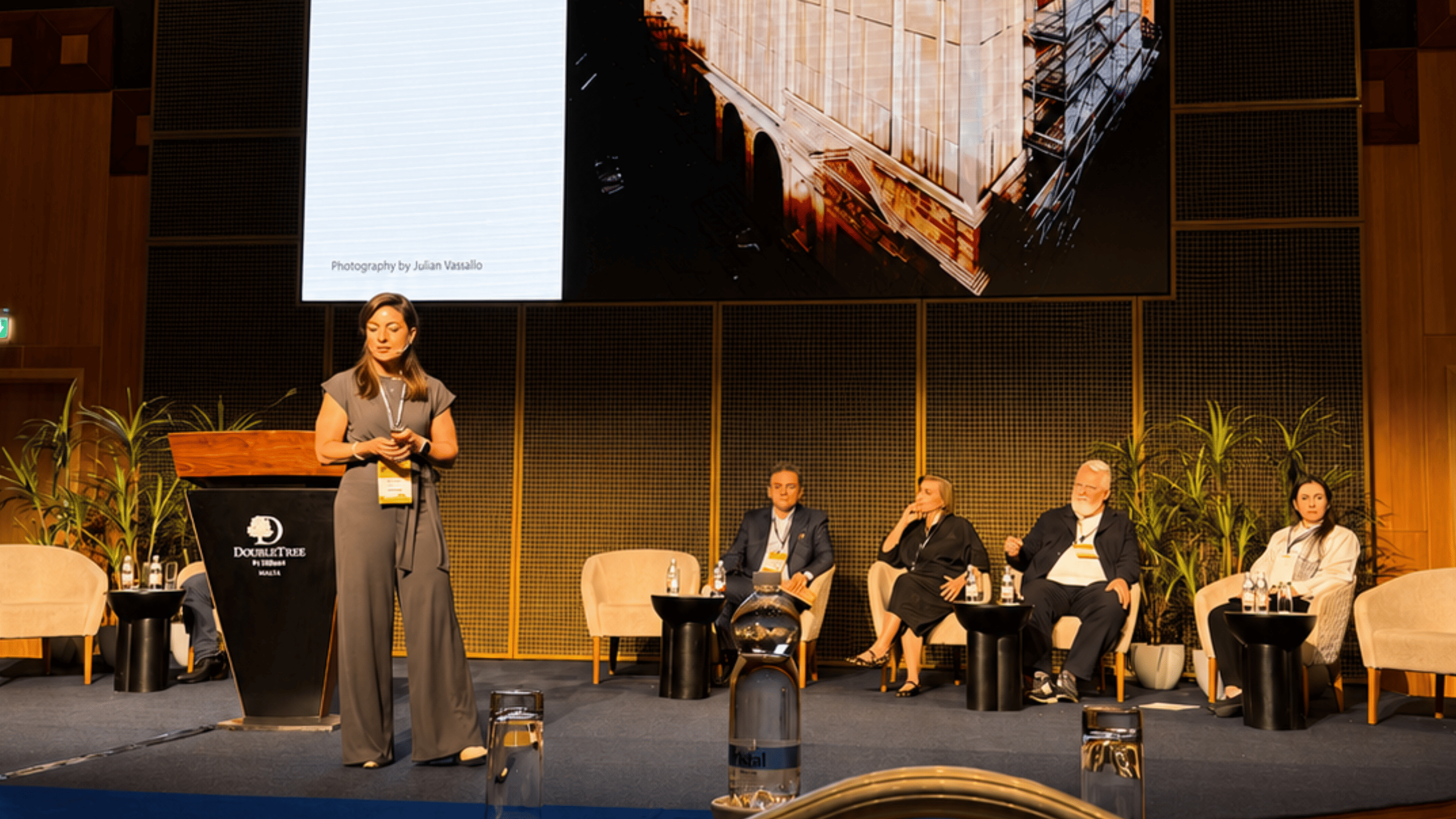
One of the presentations that resonated most strongly came from Danica Cachia Mifsud of AP Valletta, who spoke about the rehabilitation and extension of St John's Co-Cathedral. As a project so close to home, it carries enormous cultural significance and, as many Maltese will know, it has not been without controversy. Danica addressed the public reaction to the proposed concrete façade with refreshing honesty, speaking openly about the resistance the project initially faced. It was a reminder that architecture exists within public discourse and that meaningful interventions in historic contexts will often challenge expectations. The conversation highlighted the delicate balance architects must strike between respecting the past and creating architecture that belongs to its own time.
That same balance between tradition and progress appeared again in a very different context during Ken Mackay's presentation. One of our favourite stories from the event came when he explained how, during the uncertainty of the pandemic, he decided to "hire himself". Rather than waiting for work to return, he became his own client. That decision eventually led to the Comporta Eco Resort in Portugal, a project that is now exploring innovative methods of sustainable construction, including large-scale 3D printing. What makes the project so compelling is not simply the technology itself, but the mindset behind it. It is a powerful example of how periods of disruption can become opportunities to rethink how we design and build.
The intersection of technology and tradition emerged once again in Hanna Johansson's presentation from BIG. Of all the projects she shared, the new Gelephu International Airport in Bhutan stayed with us the longest. The design places traditional Bhutanese wood carving at its heart, celebrating centuries of craftsmanship and cultural identity. Yet what makes the project particularly fascinating is the way robotics have been integrated into the process. Rather than replacing artisans, robotic systems work alongside them, handling tasks that allow the intricate hand-crafted elements to be produced at a scale that would otherwise be impossible. Too often technology is presented as something that replaces craft. This project demonstrates the opposite. It shows how technology can become a tool that preserves, enhances and expands traditional skills.
The conversation naturally extended into artificial intelligence. Alexandra had the opportunity to spend some time speaking with Hildegard Brandl of UNITH2B, whose message felt especially relevant for architects today. AI is here, and we should be working with it rather than against it. It was refreshing to hear such a clear and unapologetic perspective. Across the profession there is still a tendency to frame AI as a threat, but the reality is that it is becoming another tool within the architect's toolkit. The challenge is not whether we adopt it, but how we learn to use it thoughtfully, creatively and responsibly. It is certainly a conversation we are already having at Amanche, and one that we believe will become increasingly important in the years ahead.
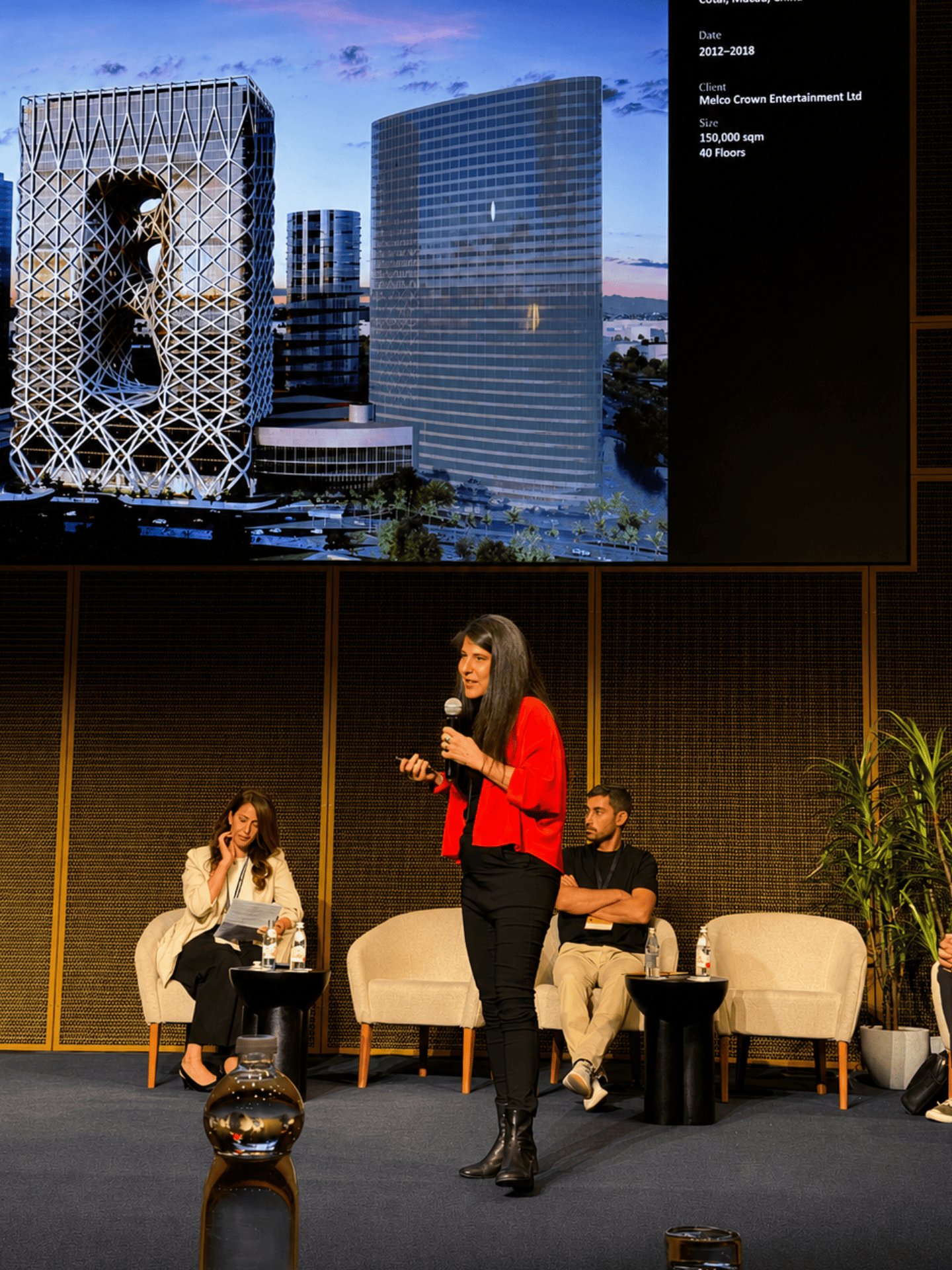
Another presentation that left a lasting impression came from Anat Stern of Zaha Hadid Architects, who spoke about hospitality design at the highest level through projects such as Studio City Phase 2 in Macau and the Romeo Roma Hotel. The scale of investment, coordination and craftsmanship involved in these projects is extraordinary, but what stood out most was the attention to detail. Every decision is deliberate. Every space is carefully considered. It served as a reminder that exceptional architecture is often found not in grand gestures alone, but in the consistency of thought and care applied throughout a project.
Looking back on the day, what connected all of these presentations was a shared optimism about the future. Whether discussing heritage interventions, sustainable construction, robotics, artificial intelligence or luxury hospitality, the most inspiring speakers were those who saw innovation not as a replacement for what came before, but as a way of building upon it. They showed that architecture's greatest opportunities lie in bringing together seemingly opposing ideas and finding productive ways for them to coexist.
A huge thank you to SHARE Architects and Kamra tal-Periti for bringing an event of this calibre to Malta. A full day of international speakers, local projects and genuinely inspiring conversations right on our doorstep is something we should never take for granted. We left with new ideas, new questions and a renewed excitement about where architecture is heading. We're already looking forward to the next one.